Wordle of blog

Wordle: Naturefinder Blog
Showing posts with label Pacific. Show all posts

Wednesday, December 19, 2012

Return to Raja Ampat - 2012

Vibrant reefs to explore
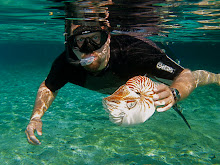
Well this past November Oceanic Society returned to Raja Ampat for our second snorkeling expedition. This year we were joined by 16 avid snorkelers. Many had already visited a dynamic array of snorkeling destinations including Tonga, Micronesia, Palau, and Fiji. Our trip has now switched to a new vessel, the SeaSafari 8, much larger and outfitted (for our group) for limited diving. Our itinerary had us departing from Sorong and heading towards Misool for our first evening, after that we would head back up North and visit a variety of locations that had been highlights from last years trip.
Our vessel - SeaSafari 8
As we left Sorong we were excited and eager to finally get in the water. Even though all of us have been around the globe snorkeling, there is really nothing like Raja Ampat. This bastion of marine biodiversity does not disappoint. For shear numbers of species and visible variety of macrolife it is unparalleled. Each time you enter the water you can be assured that you will almost certainly see something you have never seen before, no matter your level of experiences. Add to this the physical beauty of the islands, the warm water, and the fact that you rarely share any of the sites with another person and you have set yourself up for a true escape into nature. One where you can spend as much time as you want exploring and observing the kaleidoscope of diversity that is on display. As you float through these vibrant coral reefs you see an ecological landscape that is as dynamic as the Serengeti. Animals are competing for resources and access to mates, some creatures are preforming services for others in exchange for something that benefits them, a mutualistic relationship. It is easy to forget as you float over all these strange animal lifeforms that they are indeed just that, a resilient and interlinked ecosystem of species, each with their own unique strategy for survival. To follow are just a few of the amazing sightings we had in 2012.

Peacock Mantis Shrimp
Ghost Pipefish

Blue-Girdled Angelfish

Our local guide Dalton photographing a Lionfish

Tasselled Wobbegong Shark

Glorious Flatworm


Map Puffer


Social Tunicates
Juvenile Regal Angelfish
These photos show just a small sample of the amazing critters we saw on our adventure. With one of the world's richest coral reef fish fauna, over 1300 species, and harboring over 75% of the world's coral species, every moment in the water was special. During out trip we also were able to have a few land based activities. The primary one being a return visit to the village of Sawinggrai on Gam Island. Here we had the opportunity to view the Red Bird-of-paradise (Paradisaea rubra) at a lek site. Just like the previous year, after about 20 minutes of waiting we were rewarded with great views of the males preforming mating displays. As we turned to leave we had another surprise, an arboreal mammal had been watching us as we admired the birds. A few branches away was the Spotted Cuscus (Spilocuscus maculatus), a truly strange looking creature, seemingly a bit of a cross between a possum and a lemur! On our way back from the bird hike we saw many different species of orchids which the villagers had placed along the trail. We also saw a few more bird species including parrots and fruit doves.

Red Bird-of-Paradise

Spotted Cuscus
Parrot species
What another incredible snorkeling expedition to Raja Ampat. Many of our group went on for 5 more days of snorkeling in Sulawesi and I will post some photos from that extension soon. Inspired by all that we saw this season we are already beginning to plan our 2013 return, these trips fill up quickly so please visit Oceanic Society's trip webpage for more information about how you can participate.

Sunday, May 22, 2011

Ulithi Atoll - Micronesia's Snorkelers Paradise

Healthy Coral © 2011 Wayne Sentman
Ulithi Atoll is one of my favorite places to spend time in the water. The snorkeling here is incredible, with vibrant coral reefs and a diverse array of marine life, in some of the clearest water I have ever snorkeled. The clarity rivals another favorite snorkel spot, the Northwest Hawaiian Islands. This past week our intrepid group of Oceanic Society travelers left the Rock Islands of Palau flying to Yap, Micronesia. The following day we boarded a charter plane to fly 90 miles due North to the tiny island of Falalop, part of Ulithi Atoll, the second largest atoll in the Pacific. To say that Falalop is difficult to reach is an understatement. Landing on the 3000-ft. Runway we were met by a good portion of the island's 400 residents. Falalop has a small guest house and it is here that our group of 12 was based for the next four days to explore the nearby reefs and visit the community supported marine sea turtle project.


Multiple Coral Species © 2011 Wayne Sentman
Near to Falalop are an assortment of islands with spectacular coral reef ecosystems. From colorful protected lagoon reefs to outside walls that drop off steeply into cobalt blue waters our group saw sea turtles, sharks, and many fish species. With visibility generally 80-ft or more treasures were to be found all around. Over the 7 years that I have had the privilege of visiting this island and the people that call it home I have always tried to spend as much time as possible in the water. To follow is a small sample of some of the amazing marine life our group experienced on this latest trip.


Palette Surgeonfish © 2011 Wayne Sentman


Blacktip Reef Shark © 2011 Wayne Sentman


Colorful Coral © 2011 Wayne Sentman


Leopard Wrasse © 2011 Wayne Sentman


Longnose Filefish © 2011 Wayne Sentman


Massive Coral Heads - Clear Water © 2011 Wayne Sentman


Guineafowl Puffer © 2011 Wayne Sentman


Bicolor Fangblenny © 2011 Wayne Sentman


Black-Saddled Toby © 2011 Wayne Sentman

- Posted using BlogPress from my iPad

Tuesday, May 12, 2009

Habitat Restoration is "For the Birds" at Midway Atoll

One important part of our ecotourism programs to Midway Atoll is at least a 1/2 day spent giving back to Midway. Our visitors seem to relish in taking part in the "new" battle for Midway. Since Oceanic Society started bringing visitors to Midway way back in 1996, we have always tried to help the Fish and Wildlife Service in their efforts at habitat restoration. Over the years our volunteers have helped to "restore," I mean "pull weeds" at many different sites on Sand and Eastern Island. FWS has a master plan directed at how to try and combat the many invasive plant species that have found their way to Midway Atoll. On Sand Island alone over 240 non-native plant species exist. When you realize that if we could restore Midway to its original state (before people were living on the islands) there would only be about 37 native plants species that would/should be found there. That leaves about 200 species that are trying to out compete native species! While some may enjoy the various hibiscus and plumeria that are found on Sand Island it is the more insidious invasive species that are presenting the FWS with such a habitat restoration challenge. Species like lantana, Castor bean, and ironwood take major efforts to control. But the real thorn in the side of this endeavor is a plant called Golden crown-beard or Verbesina encelioides. "Verbesina" as it is called on the island is what most of our eco-volunteers spend their service afternoon battling. This desert adapted plant loves the sandy soil and disturbed ground conditions it finds at Midway. Add abundant rain during most of the year and this plant just takes off, growing in thick fields and sometimes getting to heights over 6-ft.!

One of the main reasons that invasive species are so bad on the island is that they tend to not offer the advantages to the resident seabird species nesting, that native plants do. For instance native grasses grow in bunches allowing for good air flow around nesting seabirds, helping to insure that they, and their chicks do not get overheated. Native ground covers work to both hold the sandy soil in place but at the same time not getting so dense as to inhibit burrowing seabirds from digging into the ground. Invasive species like Verbesina are bad by growing so thick they block wind flow (albatross nesting areas in Verbesina can be 10 degrees (F) hotter than the same type of nesting area with native grasses), and worse, the roots are so shallow that burrowing birds can burrow, but eventually many of the burrows will collapse, trapping adults or chicks inside. So much of the effort directed at invasive species control on Midway is to restore habitat to help enhance success of native seabirds that are nesting on Midway atoll. Everything from Laysan Albatross, to Red-footed Boobies, to Christmas Shearwaters benefit from the efforts of FWS and eco-volunteers to remove invasive flora and replant native species. These two pictures above show just how effective these efforts can be. They are both taken at the same location one year apart. The first picture shows our April '08 group out-planting bunch grass in an area that has a history of Verbesina control. The second picture taken this past April '09, and shows what that area and what the outplanted bunch grass (Eragrostis variabilis) looks like one year later. It is truly amazing how quickly these areas can be restored through regular weeding and outplantings. All of our service activities related to habitat restoration are under the guidance of FWS "weed combatant" extraordinaire Greg Schubert, who oversees the native plant propagation, habitat restoration, and weed control efforts at Midway Atoll. In January and February 2009 alone, Greg directed and participated in the out-planting of over 2000 native plants on Midway. His efforts to return to these outplanted areas on a regular basis, selectively controlling the invasives before they can reestablish, are an on-going management plan that is methodically and effectively restoring many acres of seabird habitat. Although I said these areas are quickly restored, that term is relative when you consider his 5 year commitment to this effort, and the fact that many more years, and volunteer efforts will be needed to see all of Midway's invasive species removed, or at least controlled.

Weeding also helps to open up space for nesting seabirds. This can be even more important when you are trying to opening up habitat area for endangered seabirds in efforts to have them recover historic breeding sites. Since 2001 Midway Atoll has utilized Short-tailed Albatross decoys to attempt to attract the Golden Goonies to once again nest on Midway's islands. On Eastern Island about 25 "fancy" decoys are placed out each year. Here is a picture from that first year when the plot was weeded to make sure that any passing Short-tailed Albatross would be sure to spot the brightly painted decoys. Short-tailed albatross recorded calls are also employed at the decoy site. This idea was conceived by Stephen Kress who has used the combination of brightly colored decoys and recordings successfully with puffins on rock islands in Maine. 8 years later the decoys and sound system seem to be working. Recently, an adult and sub-adult have been seen dancing at the decoy site. It is hoped that over the next few years Midway may see its first successful Short-tailed albatross nest in over 40 years! Thanks to the multi-year efforts of dedicated FWS employees and volunteers, hundreds of extra eco-volunteer hours, and original thinkers like Stephen Kress the new battle of Midway is slowly being won. Even though the Vebesina is still thick in many places, and other "bad" plant species like wild poinsettia and sandbur will create new problems, the current efforts of Greg and his crew are gaining ground. These small advances may seem to take forever for us, but for the seabirds that call these islands home, (and even those who are struggling to recover a home they once had) the ongoing habitat restoration efforts continue to help their populations recover from years of exploitation and decline at the hands of man. Short-tailed Albatross at decoy plot 2008

Sunday, April 19, 2009

Incredible Snorkeling at Papahanaumokuakea - Midway Atoll

We have had some great days in the water here at Midway Atoll. Snorkeling under the cargo pier off the shore, and venturing out to the emergent reef have provided many opportunities to view some magnificent marine animals. These images are of a Frogfish sighted in about 2-ft. of water along one of the concrete supports of the large Cargo Pier. The next photos show a few of the many sea slugs that we also observed at the same location. Two snorkels have resulted in 5 varieties of sea slugs, or nudibranchs sighted. Thanks to the website of Keoki and Yuko Stender, former dive master's at Midway Atoll and avid underwater photographers I was able to ID some of the more unusual marinelife that we have been encountering on our snorkels. Many of these nudibranchs are easily seen since they are most commonly found on the support posts under the pier. No matter what month we arrive at Midway there always seems to be some species of slug busy navigating the substrate. Nudibranchs generally are brightly colored and feed on sponges, hydriods, or sometimes even each other. Their bright color serves to warn other marine organisms that they are not very tasty and would be a bad meal choice. In fact many nudibranchs can incorporate the stinging cells or chemicals from the animals they eat into their own bodies, using them for their own defense. Although brightly colored, most slugs are less than a few inches long. Under the pier larger animals are also encountered. We came face to face with many green sea turtles. They seem to enjoy the pier as a resting area and can be seen sleeping underneath the many beams and concrete pieces that are scattered underneath the pier. Once they are done resting they rise to the surface and head off to other areas of the island. It is always a great treat to have these marine reptiles swim right by you. Thanks to the great conservation efforts in Hawaiian waters over the last 30 + years the Hawaiian green sea turtle population is one of the true success stories in the conservation world. There are also many different fish species here as well. Sometimes small groups of large Ulua, with individuals weighting 70-lbs or more will swim right underneath you. Large schools of goatfish and Thicklipped jacks are also abundant. Eels are often found poking out of small holes in the pilings.


Each time we can get in the water, we are full of expectations about what we might be lucky enough to encounter. Rarely does time in the ocean at Papahanaumokuakea disappoint. Check back soon for more pictures from the lagoon snorkels.

Thursday, April 16, 2009

First Day on Midway Atoll - Oceanic Society Ecotourist Visitors


Well all 15 of us arrived on Midway Atoll at about 8:45 PM on the 13th of April. After a 4.5 hour charter flight from Honolulu we arrive at night. During the "albatross nesting season" planes are only allowed to land at night, when albatross are less likely to be flying and bird strikes are less probable. On arrival we are met by two Refuge "limo" golf carts and are whisked away to what will be our home for the next 8 days amid the whines of dancing albatross and the erratic flight paths of the thousands of swooping Bonin Petrels. Once settled in the lobby of Charlie Barracks we are given a brief orientation and allowed to head off to our rooms. Many people quickly return to the lobby eager to get outside and listen to the birds and take a long look at the amazing display of starts that being so far away from any light source allows.

In the morning we head off to breakfast at the "Clipper House" Midway's central hub and mess hall, named to honor the history of the Pam Am Clippers that used to stop here in the 1930's on their way to Asia. It was a wonderful morning and for many their first true glimpse (in the daylight) of what Midway has to offer.

New arrivals to Midway must take part in a FWS orientation as their first activity on Midway. Since we are all sharing the island with many critically endangered and threatened species this orientation is vital to the visitors ability to understand the responsibilities, and role they play while on Midway in the safe stewardship of these islands. Additionally the orientation serves to make everyone aware of the significance these atolls have played in Hawaiian cultural history as well as more recent US history. During the orientation, which is presented by FWS visitor coordinator, Tracy Ammerman, all are given a map of Sand Island. This map helps everyone to navigate on their own around the island, understanding which areas are open and have maintained trails, and what areas are closed due to conservation or safety concerns. The orientation and the lectures that will be given throughout the week help everyone to understand and appreciate why certain places on the island are left as wildlife only areas, and where viewing and access points for visitors have been established. After orientation the next order of business is for everyone to choose their own traditional Midway "horse" that will be used to get around the island over the next week. These "horses" or bikes that we have to choose from were all supplied through donations made to the Friends of Midway Atoll an organization formed to specifically support Midway Atoll National Wildlife Refuge.

Now that all the visitors have the needed knowledge to explore the island on their own and have a "horse" to navigate the paths full of albatross and chicks they are ready to enjoy the next 7 days on Midway. We are lucky to start off this week with amazing weather. One of the first places everyone wanted to go was the beach. We headed off to the cargo pier to see what we would find. On arrival we saw a Hawaiian monk seal on a nearby beach, about 16 green sea turtles sunning on an adjacent beach known oddly enough as "Turtle Beach" and then heard 7 Bristle-thighed Curlews as they flew overhead. As we looked down one side of the beach we noticed some washed up nets and marine debris that could pose a hazard to the wildlife we were seeing. The group decided to collect the various pieces of netting and line that were there. In about 10 minutes we had cleaned the beach of about 50-lbs of marine debris and taken our first action to participate in one of the missions of the Refuge, to provide a safe habitat for the wildlife that live there.


all images are © Wayne Sentman 2009

Tuesday, December 16, 2008

November and December on Midway Atoll


Hello there,

I just spent two wonderful weeks on Midway Atoll National Wildlife Refuge leading two Oceanic Society ecotourist groups. We were able to see some amazing wildlife and participate in valuable projects while there. The weather at this time of year was a little blustery but overall we managed pretty well.

In 2008 Midway has again reopened to visitors after a 6-year hiatus. Oceanic Society is a marine conservation non-profit based in San Francisco that I work for. Oceanic Society organized all ecotour and volunteer research programs for visitors to the US Fish & Wildlife Service (FWS) in the past (1997 - 2002). Currently we are working with the Midway Atoll refuge staff and the Papahanaumokuakea Marine National Monument to continue in organizing naturalist led ecotours and groups interested in historic restoration now that the refuge has restarted its visitor services.

Since the formal designation of the Marine Monument in 2007 encompassing Midway and the other Northwestern Hawaiian Islands there has been renewed interest in traveling to Midway Atoll, really the only visitor accessible site for the entire monument. To learn how to pronounce the Hawaiian name of the monument click on this link, Papahanaumokuakea. The monument is the second largest fully marine protected area in the world (the largest is the Phoenix Islands Protected Area in Kiribati). It is home to the largest nesting colonies of the Laysan and Black-footed Albatross. The last refuge of the critically endangered Hawaiian Monk seal, the most endangered marine mammal found wholly within US waters. Other critters that call Midway Atoll home are the Green sea turtle and the Spinner Dolphin. 3 other species of sea turtle and 9 additional whale species that can be sighted in the protected waters surrounding the atoll.

There are 17 other seabirds that are known to nest on Midway, The "Golden Gooney" or Short-tailed Albatross can also been seen on the islands of Midway. Thanks to the establishment of a decoy plot about 8-years ago on Eastern Island (one of the 3 islands found at Midway) there is hope that the Short-tailed Albatross will again start breeding on these islands. In addition to the seabirds a duck, the critically endangered Laysan Teal was also recently reintroduced to Midway Atoll and has quite successfully re-established itself on Eastern and Sand Islands.

This year (2008) Oceanic has been able to bring out 7 different tourist groups to Midway Atoll, a little over 100 visitors in all have participated in our programs. In 2009 Oceanic Society anticipates offering 13 different program dates, I have been fortunate to lead all of our 2008 programs. Over the next few entries I will post information about what we were able to see and participate in while visiting the refuge this year. Here is a video that was taken just last week of a Laysan Albatross laying an egg to get you interested in exploring more!